What does it take to successfully manage a large-scale paving project in South Florida? From expansive commercial parking lots to residential developments, industrial facilities, and municipal roadways, large paving projects demand careful planning and expertise, especially in a region with extreme heat, heavy rainfall, and frequent storms. Unlike small driveway installations or basic repairs, large paving projects require coordinated execution across multiple phases. Pre-project evaluations, permitting, material selection, drainage engineering, traffic management, and long-term maintenance planning all play a critical role in ensuring pavement durability, safety, and cost efficiency.
This guide walks you step by step through planning a large-scale paving project in South Florida — the considerations, common pitfalls, best practices, and essential decisions that ensure your investment delivers value for years to come.
Why South Florida Is Different for Paving Projects
South Florida’s climate and geography present unique challenges that influence how paving projects should be planned:
- Intense UV exposure accelerates oxidation of asphalt binders
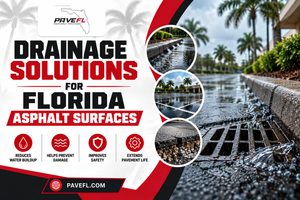
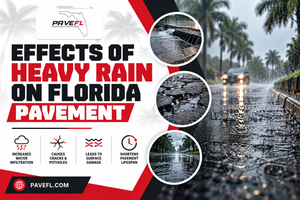
- Heavy rain and tropical downpours demand advanced drainage
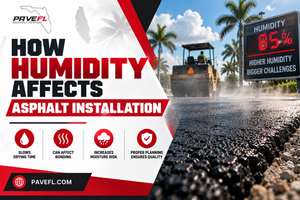
- High humidity affects cure times and material performance
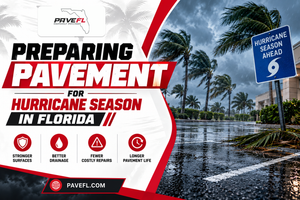
- Seasonal storms and hurricane threats complicate scheduling
- Sandy soils require careful base preparation
These factors make South Florida paving different from projects in cooler, less humid climates. Proper planning helps mitigate these challenges before construction begins.
1. Define Your Project Scope and Objectives
The first step in planning any large paving job is to define exactly what you need to accomplish.
Key Questions to Ask:
- What is the purpose of the pavement (parking lot, roadway, access drives)?
- What is the expected traffic type and volume (cars, delivery trucks, heavy equipment)?
- Are there existing surfaces to remove or repair?
- What are your long-term maintenance expectations?
- Are there regulatory compliance needs (ADA, fire lanes, municipal standards)?
Having a clear objective helps you communicate with engineers, contractors, and stakeholders early in the planning process. It also influences decisions about materials, budget, and timeline.
2. Conduct a Detailed Site Assessment
Before a blade of asphalt is ever laid, a thorough assessment of the project site is essential.
Site Evaluation Includes:
- Soil and subgrade analysis — determines how the base will support loads
- Drainage patterns — identifies low spots and water flow issues
- Existing pavement conditions — reveals cracking, base failure, or deterioration
- Accessibility challenges — confirms staging and equipment access
- Utility locations — avoids conflicts with buried infrastructure
This assessment informs your design specifications and helps avoid costly surprises once construction begins.
3. Set a Realistic Budget and Timeline
Large paving projects require clear financial planning and scheduling.
Costs include not only materials and labor, but also:
- Site preparation
- Engineering and design fees
- Permits and inspections
- Drainage and grading work
- Striping and signage
- Contingencies for unexpected conditions
South Florida’s weather — especially rainy seasons and hurricane preparedness windows — also influences timing. Build flexibility into your schedule to accommodate weather delays, inspections, and delivery lead times for materials.
4. Work with Qualified Engineers and Designers
Engineering expertise ensures your pavement is designed to last.
Why Engineering Matters:
- Appropriate base thickness based on soil load and traffic
- Proper drainage design to prevent water infiltration
- Structural planning to mitigate rutting and settlement
- ADA-compliant walkways and accessible parking layout
- Compliance with local codes and permits
Large paving projects often involve civil engineers who collaborate with contractors to produce a detailed set of plans and specifications that minimize risk and maximize performance.
5. Prepare a Comprehensive Project Plan
A well-organized project plan is like a roadmap — it keeps everything on track.
Your Plan Should Include:
- Work phases and milestones
- Material specifications
- Permitting requirements
- Roles and responsibilities
- Inspection checkpoints
- Safety protocols
- Cleanup and waste removal strategy
Good planning helps coordinate subcontractors, manage timelines, and communicate expectations with stakeholders.
Large-Scale Paving Project Planning Checklist (South Florida)
| Planning Stage | Key Considerations | Why It Matters in South Florida |
|---|---|---|
| Project Scope Definition | Traffic volume, pavement purpose, surface area | Ensures pavement is engineered for heavy loads and long-term use |
| Site & Soil Evaluation | Soil stability, existing damage, elevation | Sandy soils and weak subgrades require enhanced base preparation |
| Budget & Timeline Planning | Materials, labor, contingencies | Weather delays and storm seasons can impact schedules and costs |
| Engineering & Design | Base thickness, slope, drainage layout | Prevents premature cracking, rutting, and water damage |
| Drainage Planning | Slopes, catch basins, stormwater flow | Heavy rainfall demands efficient water evacuation |
| Material Selection | Asphalt mix, binders, aggregates | UV-resistant and moisture-tolerant materials perform better |
| Permitting & Compliance | Local codes, ADA standards | Avoids fines, delays, and costly redesigns |
| Site Preparation | Excavation, grading, compaction | A strong foundation extends pavement lifespan |
| Construction Scheduling | Weather windows, storm forecasts | Prevents paving during rain or extreme heat |
| Quality Control | Compaction testing, thickness checks | Ensures durability and load-bearing strength |
| Striping & Safety Features | ADA markings, fire lanes, signage | Improves safety and legal compliance |
| Post-Project Maintenance Plan | Sealcoating, crack sealing | Protects investment and lowers life-cycle costs |
6. Choose the Right Materials for South Florida Conditions
Material selection is a major factor in pavement performance, particularly in a climate like South Florida’s.
Common Material Considerations:
- Hot-mix asphalt (HMA) for durability and flexibility
- Polymer-modified binders for enhanced heat and moisture resistance
- High-quality aggregate blends for structural strength
- Recycled asphalt options where sustainable alternatives make sense
Your paving contractor should recommend mixes tailored to local conditions — not generic materials that may fail prematurely under South Florida’s UV and moisture load.
7. Plan for Proper Drainage and Water Management
Water is one of the biggest threats to asphalt longevity. In South Florida, where intense storms and frequent rain events are the norm, designing effective drainage is mission-critical.
Drainage Elements Might Include:
- Graded slopes to direct runoff
- Strategic culverts or swales
- Storm drain systems with catch basins
- Subsurface drains near building foundations
- Retention or retention ponds where needed
If water isn’t guided away from the pavement surface and base, it can weaken the entire structure, leading to cracking, potholes, and base failure.
8. Coordinate Permits and Local Approvals
Large projects often require permits and inspections from city or county authorities. Permitting can include:
- Stormwater management plans
- Utility permits
- Environmental compliance
- Traffic control approvals
- Right-of-way considerations
Securing permits early prevents delays later on.
9. Prepare the Site: Demolition, Excavation, and Grading
Before asphalt paving begins, the existing surface must be prepared — especially on large projects.
Site Prep Includes:
- Removal of old pavement or debris
- Excavation of unstable soil
- Compaction of subgrade
- Installation of base rock and stabilization layers
- Fine grading for smooth surface flow
This foundational work is arguably the most important phase, as it determines how long the pavement will last and how well it resists moisture and loads.
10. Schedule Construction Around Weather Patterns
South Florida weather is unpredictable — and often intense.
Best Practices:
- Avoid paving during peak rainy season
- Schedule major lifts when temperatures are stable
- Monitor storm forecasts closely
- Prepare contingency plans for hurricanes or tropical systems
Proper scheduling protects your investment and keeps crews safe.
11. Oversee Quality Control During Installation
Large paving projects demand rigorous quality control:
- Base compaction testing
- Asphalt temperature and mix checks
- Thickness verification
- Slope and drainage testing
- Visual inspection throughout the process
Experienced contractors document progress and inspect every lift, ensuring the project meets engineering and design standards.
12. Striping, Signage, and Final Touches
Once the pavement is down and cooled, finishing touches complete the project:
- Parking lot striping
- ADA-compliant markings
- Speed bumps or wheel stops
- Reflective markers
- Directional signage
- Landscaping edges
These not only improve functionality but also contribute to safety and compliance.
13. Develop an Ongoing Maintenance Plan
Paving is an investment — and like any investment, it must be protected. A proactive maintenance plan extends pavement life and saves money over decades.
Key Maintenance Elements:
- Periodic sealcoating
- Crack sealing as needed
- Joint repairs or patching
- Drainage inspections
- Surface cleaning and sweeping
- Line repainting
Scheduled maintenance keeps the pavement in top condition and reduces the need for costly rehabilitation.
14. Plan for Long-Term Performance and Life Cycle Costs
Large paving projects are often measured by decades, not months. While upfront costs draw most attention, life cycle costs — including maintenance, repairs, and eventual resurfacing — matter just as much.
Budgeting for:
- Regular maintenance
- Emergencies
- Future expansion or overlays
ensures your pavement remains functional and cost-effective over its full lifespan.
15. Communication, Documentation, and Project Close-Out
Clear communication throughout the project prevents misunderstandings and ensures expectations are met.
Documentation Should Include:
- Contract scopes and amendments
- As-built plans
- Inspection reports
- Material certifications
- Warranty documents
- Maintenance schedules
This documentation protects all stakeholders and provides a reference for future work.
16. Evaluate Performance Post-Completion
After construction, evaluate performance against goals:
- Does the drainage work as designed?
- Are traffic patterns flowing safely?
- Is the pavement holding up under load?
- Are there any immediate settlement or distress signs?
Early evaluation allows corrections before deeper issues form.
Conclusion: Planning Equals Performance
We help property owners and developers understand that successful large paving projects in South Florida depend on strategy as much as execution. Proper engineering, climate-specific materials, traffic flow planning, and construction oversight are essential to prevent premature failures. Our approach prioritizes building pavement systems that withstand South Florida’s heat, rainfall, and storm activity while supporting long-term operational needs.
Beyond installation, we emphasize the importance of final evaluations and proactive maintenance planning to protect the initial investment. When large projects are guided by experienced professionals and a clear long-term vision, they deliver consistent performance, reduced lifecycle costs, and enhanced safety. Starting with a well-defined plan and expert oversight ensures large paving projects meet performance expectations from installation through years of service.
If you’re considering large paving projects South Florida, start with a clear plan with Pave FL to experienced professionals, and a roadmap that prioritizes performance from day one.