When should small asphalt problems in Florida be addressed before they become major repairs? In a climate dominated by heat, moisture, and heavy traffic, asphalt deterioration can accelerate rapidly without timely intervention. Minor cracks, surface wear, and uneven areas often worsen quickly if left untreated. Understanding practical asphalt repair tips for Florida property owners is essential for maintaining safe, smooth, and durable pavement surfaces over the long term.
Unlike cooler regions, Florida’s climate accelerates asphalt aging year-round. High UV exposure, frequent rainstorms, and persistent humidity all contribute to faster surface breakdown, making proactive repair strategies more important than ever.
Why Asphalt Repairs Are Especially Important in Florida
Before discussing specific repair methods, it’s important to understand why Florida asphalt requires special attention. Asphalt is a flexible pavement material, but Florida’s climate places constant stress on that flexibility.
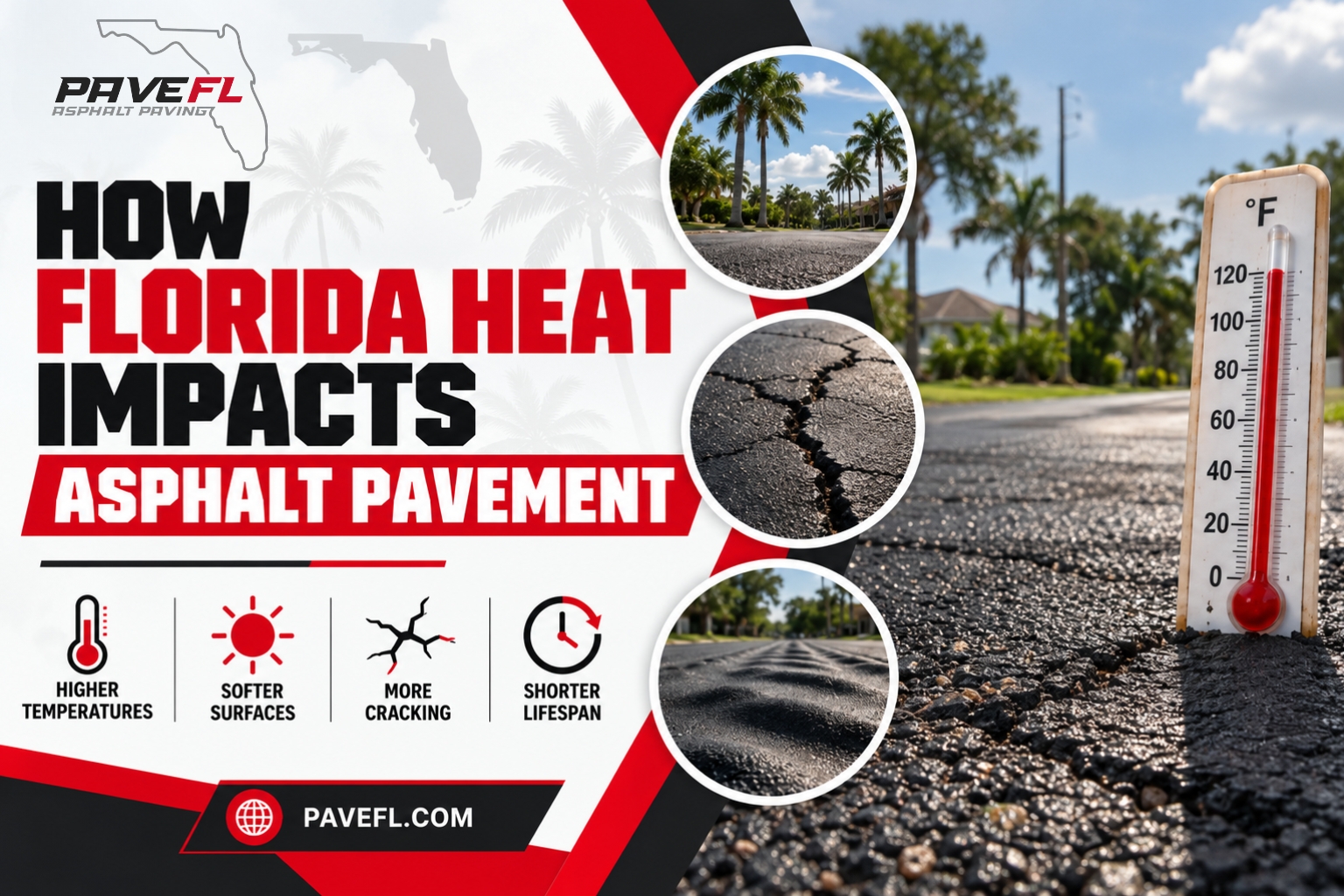
Heat softens asphalt, water weakens its foundation, and UV rays dry out the binder. Together, these factors cause damage to progress rapidly once it begins.
Key reasons repairs matter in Florida:
- Preventing water intrusion
- Slowing oxidation and cracking
- Maintaining surface safety
- Reducing long-term repair costs
Early intervention is the key to extending pavement lifespan.
Identifying Early Surface Cracks
Cracks are often the first visible sign of asphalt distress. In Florida, cracks form faster due to heat expansion and moisture penetration.
Small cracks may appear harmless, but they allow water to seep into the pavement structure. Once moisture reaches the base layer, erosion begins.
Common crack types include:
- Hairline cracks from surface aging
- Longitudinal cracks from traffic stress
- Block cracks from UV-related shrinkage
Addressing cracks early prevents them from developing into potholes.
Crack Sealing as a Preventative Measure
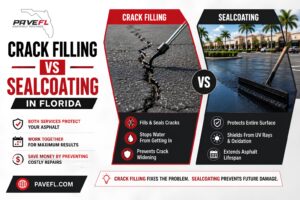
Crack sealing is one of the most effective and affordable asphalt repair strategies. It involves filling cracks with a flexible sealant that expands and contracts with temperature changes.
In Florida’s wet climate, crack sealing:
- Blocks water infiltration
- Reduces oxidation exposure
- Prevents crack widening
Routine crack sealing is a cornerstone of preventative pavement care.
Repairing Potholes Before They Spread
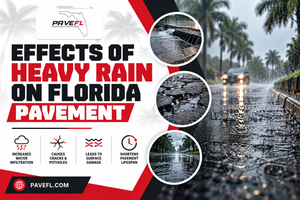
Potholes are a sign of underlying structural failure, often caused by water saturation and repeated traffic stress. Once potholes form, they tend to grow rapidly in Florida conditions.
Timely pothole repair:
- Restores surface safety
- Prevents surrounding pavement damage
- Stops water from reaching the base
Ignoring potholes leads to larger repair areas and higher costs.
Addressing Surface Raveling and Wear
Raveling occurs when aggregate particles loosen and separate from the asphalt surface. This is common in older Florida pavements exposed to prolonged UV radiation.
Surface wear reduces traction and exposes deeper layers to damage.
Signs of raveling include:
- Loose gravel on the surface
- Rough or uneven texture
- Accelerated cracking
Surface treatments or overlays can restore smoothness and protection.
Leveling Uneven or Sunken Areas
Uneven pavement often results from base erosion caused by water intrusion. Florida’s heavy rainfall makes this a frequent issue, especially near drainage points.
Uneven areas create:
- Trip hazards
- Poor drainage patterns
- Increased stress on surrounding pavement
Repairing sunken sections helps restore proper water flow and surface integrity.
Using Asphalt Patching for Localized Damage
Asphalt patching is ideal for repairing isolated areas of deterioration. This method removes damaged material and replaces it with fresh asphalt.
Benefits of patching include:
- Targeted repairs
- Cost-effective solutions
- Minimal disruption
Proper patching restores strength while preventing damage from spreading.
Sealcoating to Protect Repaired Surfaces
Sealcoating is not a structural repair, but it plays a critical role in preserving repaired asphalt. Sealcoat acts as a protective barrier against UV rays, moisture, and oxidation.
In Florida, sealcoating:
- Slows aging
- Enhances appearance
- Extends repair effectiveness
Sealcoating should follow structural repairs, not replace them.
Improving Drainage to Prevent Future Damage
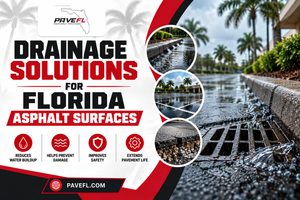
Poor drainage is one of the leading causes of asphalt failure in Florida. Standing water accelerates deterioration and weakens pavement foundations.
Drainage improvements may include:
- Regrading surfaces
- Clearing drains
- Adjusting slopes
Effective drainage protects both new and existing repairs.
Scheduling Repairs Around Florida Weather
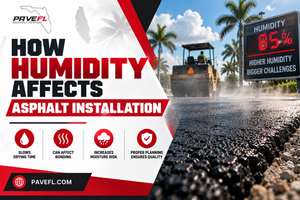
Florida weather plays a major role in repair success. Asphalt repairs require dry conditions and appropriate temperatures for proper bonding and curing.
Best repair conditions:
- Dry weather windows
- Moderate temperatures
- Low rainfall probability
Planning repairs around weather forecasts improves durability and results.
Repair vs. Replacement: Knowing the Difference
Not all asphalt damage requires full replacement. Many Florida pavements can be restored with timely repairs and surface treatments.
| Condition | Recommended Action | Cost Impact |
|---|---|---|
| Small cracks | Crack sealing | Low |
| Isolated potholes | Patching | Moderate |
| Widespread wear | Overlay | Moderate |
| Structural failure | Replacement | High |
Choosing the right repair approach saves money and extends pavement life.
Benefits of Proactive Asphalt Repair
Consistent asphalt repairs offer long-term advantages for Florida property owners.
Key benefits include:
- Lower life-cycle costs
- Improved safety and usability
- Better curb appeal
- Extended pavement lifespan
Proactive care always costs less than reactive reconstruction.
Final Thoughts
From minor cracks to major surface damage, Florida asphalt requires attentive and timely care. Following proven asphalt repair tips Florida property owners can rely on to help prevent small issues from becoming costly failures. Maintaining asphalt in Florida requires a proactive mindset that addresses damage as soon as it appears. Hairline cracks, surface wear, and early deformation can quickly worsen under intense heat, heavy rainfall, and frequent storms if left untreated. Our team emphasizes early inspection and timely repairs to stop moisture intrusion and prevent minor defects from developing into widespread pavement failure.
By following proven repair strategies tailored to Florida’s climate, property owners can extend pavement life and maintain safe, smooth surfaces. Climate-aware maintenance, combined with proper repair techniques, allows asphalt to perform reliably while reducing long-term repair costs and disruption.