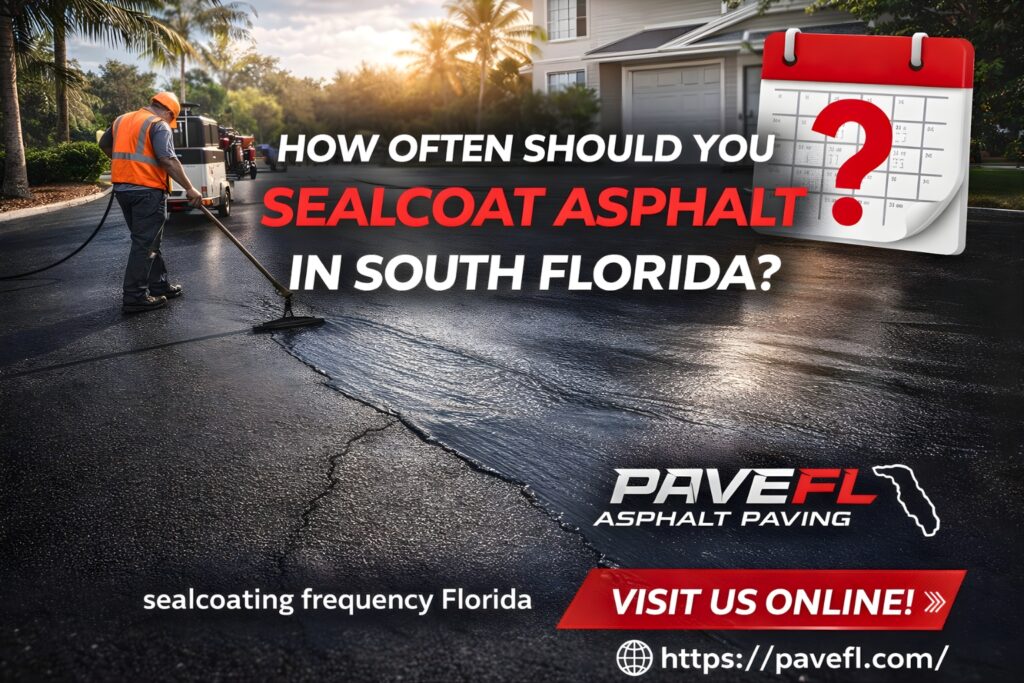
What Is the Ideal Sealcoating Frequency Florida Property Owners Should Follow? The ideal sealcoating frequency for Florida property owners is typically every 2 to 3 years, depending on traffic levels, weather exposure, and pavement condition. In South Florida, where asphalt is constantly exposed to intense UV rays, heavy rainfall, and humidity, maintaining a consistent sealcoating schedule is essential to protect and extend the life of asphalt surfaces.
Unlike colder regions, where freeze-thaw cycles are the main concern, South Florida’s climate causes asphalt to oxidize faster. This leads to surface brittleness, fading, and early cracking if not properly maintained—sealcoating acts as a protective barrier, shielding asphalt from these environmental stresses. Pave FL Corp provides paving and concrete services in South Florida and can help property owners determine the right sealcoating schedule based on climate conditions, traffic patterns, and pavement condition. The company has experience delivering high-quality paving solutions designed to withstand Florida’s heat and moisture, ensuring long-term durability and cost-effective maintenance for both residential and commercial properties.
Why Sealcoating Is Essential in South Florida
Sealcoating is not just a cosmetic upgrade; it is a critical maintenance step for protecting asphalt surfaces.
South Florida’s environment accelerates pavement deterioration due to:
- Intense UV exposure year-round
- Frequent heavy rainfall
- High humidity levels
- Constant vehicle traffic
- Salt air in coastal areas
Without regular sealcoating, asphalt loses its natural oils and becomes brittle, leading to cracks and potholes.
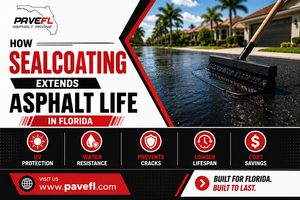
Key Benefits of Sealcoating
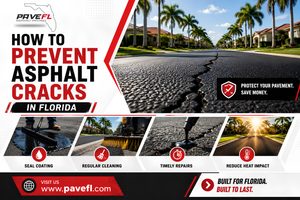
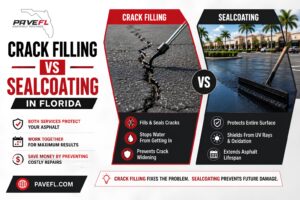
- Protects against UV rays and oxidation
- Prevents water penetration into asphalt
- Reduces the risk of cracks and potholes
- Improves surface durability
- Enhances curb appeal
Sealcoating is often compared to asphalt sunscreen, providing a protective layer against environmental damage.
Recommended Sealcoating Schedule in South Florida
The frequency of sealcoating depends on several factors, but general guidelines apply to most properties.
Standard Sealcoating Timeline
- New asphalt: Sealcoat after 6–12 months of installation
- Residential driveways: Every 2–3 years
- Commercial parking lots: Every 1–3 years, depending on traffic
- High-traffic areas: Every 1–2 years
Experts consistently recommend maintaining a 2–3 year cycle for most Florida properties to ensure optimal protection.
Sealcoating Frequency Based on Property Type
| Property Type | Recommended Frequency | Reason |
|---|---|---|
| Residential Driveways | Every 2–3 years | Moderate traffic, sun exposure |
| Commercial Parking Lots | Every 1–3 years | Heavy traffic and wear |
| High-Traffic Areas | Every 1–2 years | Faster surface deterioration |
| Coastal Properties | Every 2 years | Salt air and moisture damage |
Factors That Affect Sealcoating Frequency in Florida
Not all asphalt surfaces age at the same rate. Several factors influence how often sealcoating is needed.
1. Sun Exposure
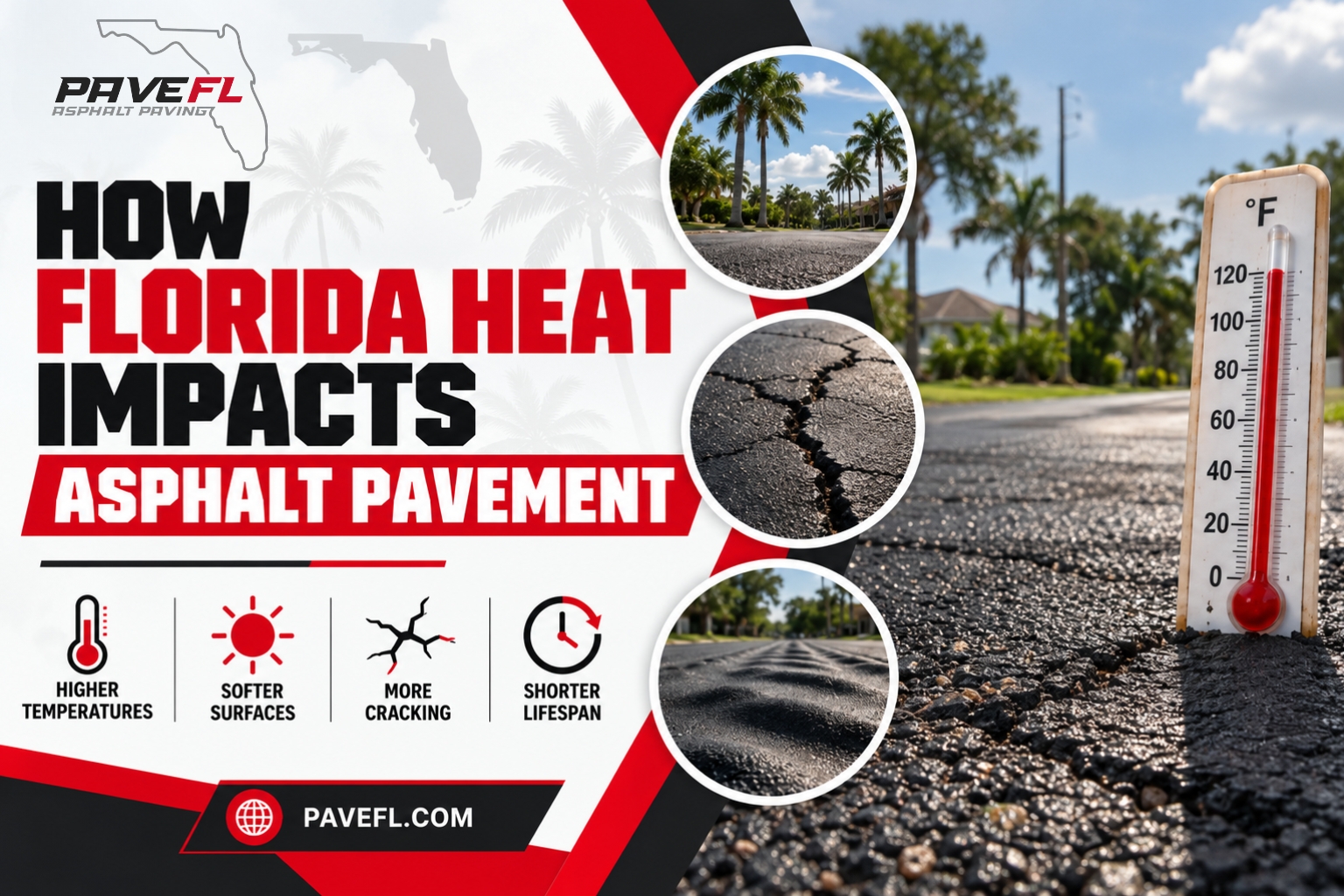
South Florida’s intense sunlight accelerates oxidation.
Over time, UV rays break down asphalt binders, causing:
- Fading color
- Surface dryness
- Increased brittleness
Sealcoating helps slow this process by blocking UV damage.
2. Rain and Moisture
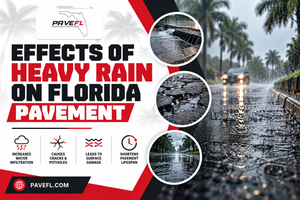
Heavy rainfall can weaken asphalt if water penetrates the surface.
Water infiltration leads to:
- Base erosion
- Cracks expanding
- Pothole formation
Sealcoating creates a waterproof barrier that protects the pavement structure.
3. Traffic Volume
The more vehicles that use a surface, the faster it wears down.
High-traffic areas such as:
- Commercial parking lots
- Shopping centers
- Apartment complexes
…require more frequent sealcoating.
4. Age of the Asphalt
Older asphalt surfaces require more maintenance.
As asphalt ages, it becomes:
- Less flexible
- More prone to cracking
- More vulnerable to environmental damage
Regular sealcoating helps extend the lifespan of aging pavement.
5. Coastal Conditions
Properties near the ocean face additional challenges.
Salt air can accelerate asphalt deterioration by:
- Breaking down surface materials
- Increasing moisture exposure
Coastal properties often require sealcoating more frequently.
Signs Your Asphalt Needs Sealcoating
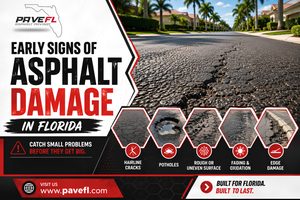
Even if you follow a general schedule, your pavement will show signs when it needs maintenance.
Common Warning Signs
- Asphalt color fades from black to gray
- Small cracks begin to appear
- Surface feels rough or dry
- Loose aggregate becomes visible
- Water pools on the surface
These signs indicate that the protective layer has worn away, exposing the asphalt.
What Happens If You Skip Sealcoating?
Delaying sealcoating can lead to serious pavement damage.
Consequences of neglect include:
- Accelerated cracking
- Pothole formation
- Structural damage to the base layer
- Higher repair costs
- Shortened pavement lifespan
In Florida’s climate, neglecting maintenance can reduce asphalt lifespan by up to 50%.
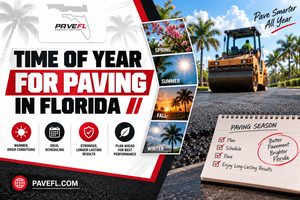
Best Time of Year to Sealcoat in South Florida
Timing is important for effective sealcoating.
Ideal Conditions for Sealcoating
- Warm temperatures
- Dry weather
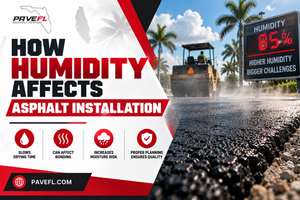
- Low humidity when possible
- No rain expected for 24–48 hours
In South Florida, sealcoating is typically performed during:
- Spring
- Early summer
- Early fall
These conditions allow the sealcoat to cure properly and provide maximum protection.
Residential vs Commercial Sealcoating Needs
Different types of properties require different maintenance strategies.
Residential Properties
- Lower traffic volume
- Longer intervals between applications
- Focus on appearance and durability
Recommended: Every 2–3 years
Commercial Properties
- High traffic and wear
- Greater exposure to oil and chemicals
- Faster deterioration
Recommended: Every 1–2 years
Why Professional Sealcoating Matters
While DIY sealcoating may seem cost-effective, professional services provide better long-term results.
Advantages of Professional Sealcoating
- Proper surface preparation
- High-quality commercial-grade materials
- Even and durable application
- Longer-lasting protection
- Expert evaluation of pavement condition
Pave FL Corp provides paving and concrete services in South Florida, including sealcoating, asphalt repair, and complete maintenance solutions. The company can assess pavement condition, recommend the appropriate sealcoating frequency for Florida property owners, and apply durable protective coatings designed to withstand South Florida’s climate.
Maintenance Tips to Extend Sealcoating Life
To maximize the benefits of sealcoating, property owners should follow these maintenance practices:
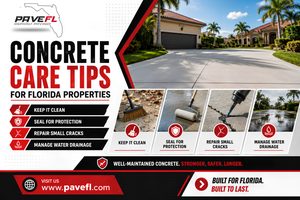
- Clean asphalt surfaces regularly
- Repair cracks early
- Avoid heavy loads on driveways
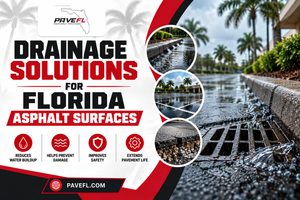
- Ensure proper drainage
- Schedule regular inspections
Preventive maintenance helps extend the effectiveness of sealcoating and reduces long-term costs.
Final Thoughts
Maintaining the correct sealcoating frequency Florida property owners is essential for protecting asphalt surfaces in South Florida’s challenging climate. With constant exposure to sun, rain, and humidity, asphalt requires regular maintenance to remain durable and visually appealing. By applying sealcoating every 2–3 years, addressing small issues early, and working with experienced professionals, property owners can prevent costly repairs and extend their pavement’s life.
Pave FL Corp provides paving and concrete services in South Florida, including sealcoating, asphalt repair, and maintenance solutions designed to protect driveways and commercial parking lots. With expertise in South Florida’s paving industry, Pave FL Corp delivers high-quality paving solutions that help property owners maintain long-lasting asphalt surfaces.