Are you planning a commercial paving project that can withstand Florida’s harsh climate? Commercial asphalt paving is essential for maintaining safe, durable, and professional-looking business properties throughout the state. From shopping centers and office parks to industrial facilities, apartment communities, and retail properties, quality commercial paving Florida businesses rely on helps improve accessibility, support heavy traffic loads, enhance curb appeal, and protect long-term property value. However, paving projects in Florida require much more than basic asphalt installation. The state’s extreme heat, intense UV exposure, heavy rainfall, humidity, flooding risks, and hurricane conditions place continuous stress on commercial pavement surfaces throughout the year. Without proper materials, drainage planning, and installation methods, asphalt can quickly develop cracks, rutting, potholes, drainage failures, and premature surface deterioration.
Florida’s climate and traffic demands make long-term pavement performance heavily dependent on proper site preparation and professional construction techniques. Commercial properties often experience constant vehicle traffic, delivery loads, and frequent turning movements that place additional pressure on asphalt surfaces. Combined with moisture infiltration and shifting soil conditions common throughout South Florida, these factors can significantly reduce pavement lifespan if not addressed correctly during the paving process. Understanding the most important considerations for commercial paving projects in Florida helps property owners and facility managers make informed decisions that improve durability, safety, and long-term pavement reliability.
Why Commercial Asphalt Paving Matters
Commercial pavement surfaces experience far greater stress than residential driveways due to:
- Heavy traffic volumes
- Delivery trucks
- Commercial equipment
- Frequent vehicle turning
- Constant daily use
Proper asphalt paving helps businesses maintain:
- Safe driving surfaces
- Professional property appearance
- Efficient traffic flow
- Customer accessibility
- Structural pavement stability
Poorly installed or neglected pavement can create safety hazards, drainage problems, and accelerated surface deterioration.
Florida’s Climate Creates Unique Commercial Paving Challenges
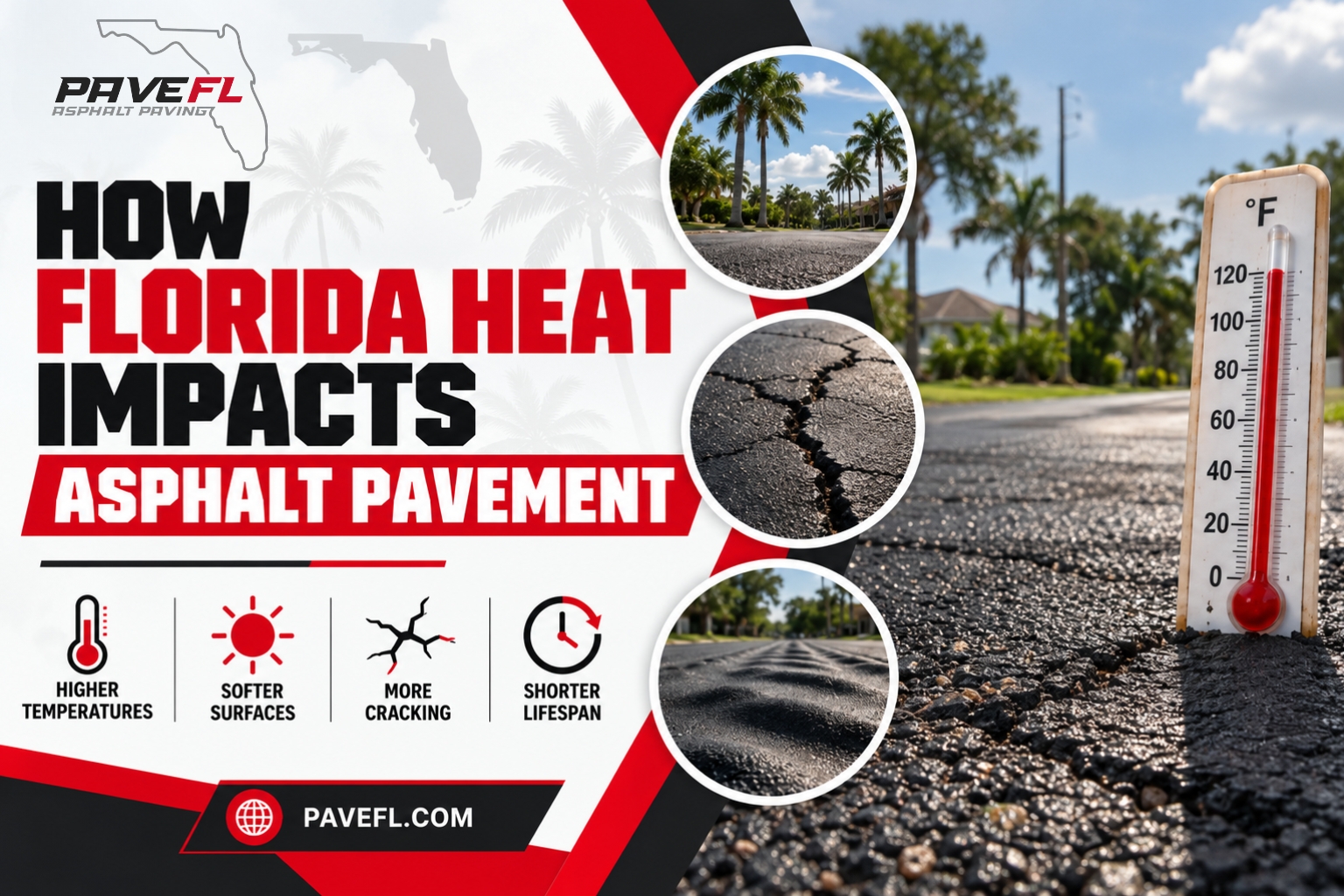
Florida’s environment places constant stress on asphalt pavement.
Common environmental challenges include:
- Intense UV exposure
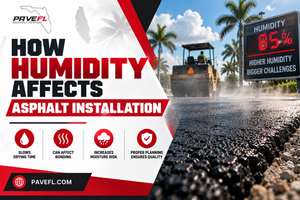
- High humidity
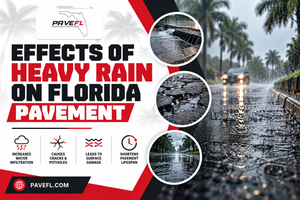
- Heavy rainstorms
- Flooding risks
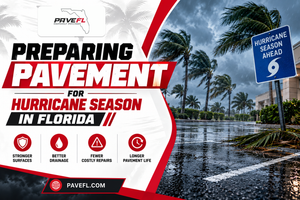
- Hurricane conditions
- Heat expansion
- Salt air exposure near coastal areas
Without proper installation and maintenance, these conditions can quickly weaken asphalt surfaces.
Commercial paving systems in Florida must be engineered specifically for these environmental demands.
Types of Commercial Asphalt Paving Projects
Commercial asphalt paving covers a wide range of property types.
Common projects include:
- Parking lots
- Shopping centers
- Office complexes
- Industrial facilities
- Apartment communities
- Hotels and resorts
- Healthcare facilities
- Educational campuses
- Distribution centers
- Private commercial roads
Each project requires customized paving solutions based on:
- Traffic volume
- Property layout
- Drainage needs
- Vehicle weight
- Environmental exposure
Key Components of Successful Commercial Paving Florida Projects
1. Proper Site Preparation
Site preparation is one of the most important phases of any paving project.
Proper preparation includes:
- Excavation
- Soil stabilization
- Surface grading
- Base compaction
- Drainage planning
A stable foundation is essential for long-term pavement performance.
Without proper preparation, commercial asphalt surfaces may experience:
- Cracking
- Rutting
- Surface shifting
- Premature deterioration
2. Effective Drainage Systems
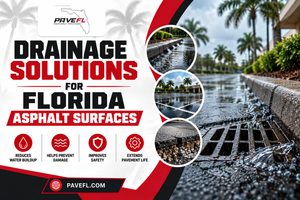
Drainage is especially important for Florida commercial properties due to frequent heavy rainfall.
Poor drainage can lead to:
- Water pooling
- Surface erosion
- Base weakening
- Pavement cracking
- Structural instability
Professional drainage planning includes:
- Surface grading
- Slope calculations
- Catch basins
- Water runoff management
- Drainage channels
Proper water management significantly improves pavement lifespan.
3. High-Quality Asphalt Materials
Commercial pavement surfaces require durable materials capable of handling constant stress.
Quality asphalt mixtures help improve:
- Flexibility
- Weather resistance
- Structural strength
- Surface durability
Businesses investing in asphalt paving in south Florida benefit from pavement systems specifically designed for regional climate conditions and heavy commercial traffic.
4. Proper Pavement Thickness
Commercial pavement must support heavier loads than residential surfaces.
Thickness requirements depend on:
- Traffic volume
- Vehicle weight
- Property usage
- Soil conditions
Insufficient pavement thickness can result in:
- Surface cracking
- Rutting
- Structural failure
- Reduced lifespan
Professional pavement design ensures proper structural support.
5. Traffic Flow Planning
Commercial paving projects must also consider:
- Vehicle circulation
- Parking efficiency
- Safety access
- Pedestrian movement
- Loading zones
Well-planned pavement layouts improve both functionality and safety.
Common Commercial Asphalt Problems in Florida
Even professionally installed pavement can eventually experience wear over time.
Common issues include:
- Surface cracking
- Potholes
- Drainage problems
- Fading and oxidation
- Rutting
- Edge deterioration
- Surface depressions
Routine maintenance helps minimize these issues and extend pavement life.
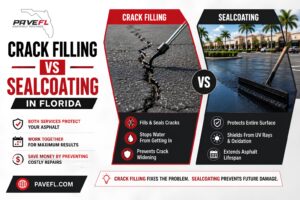
Importance of Sealcoating for Commercial Pavement
Sealcoating provides essential protection for commercial asphalt surfaces.
Benefits include:
- UV protection
- Moisture resistance
- Improved appearance
- Reduced oxidation
- Surface preservation
Florida’s intense sun exposure makes sealcoating especially important for long-term asphalt protection.
Why Preventive Maintenance Matters
Preventive maintenance helps businesses avoid accelerated pavement deterioration.
Recommended maintenance services include:
- Sealcoating
- Crack sealing
- Surface inspections
- Drainage evaluations
- Pothole repair
- Line striping maintenance
Routine care significantly improves pavement performance and appearance.
Commercial Asphalt Maintenance Comparison Table
| Maintenance Service | Primary Benefit | Long-Term Impact |
|---|---|---|
| Sealcoating | Surface protection | Extended pavement life |
| Crack Sealing | Moisture prevention | Reduced structural damage |
| Drainage Maintenance | Water control | Improved stability |
| Surface Repairs | Damage prevention | Lower deterioration |
| Line Striping | Traffic organization | Improved safety |
| Pavement Inspections | Early problem detection | Reduced repair severity |
Why Professional Expertise Is Essential
Commercial paving projects require specialized knowledge and equipment.
Working with professional paving experts in Miami, FL helps ensure:
- Accurate grading
- Structural durability
- Drainage efficiency
- Traffic management
- High-quality installation
- Long-term pavement performance
Experienced contractors understand how Florida’s climate affects asphalt systems and can develop customized paving solutions accordingly.
Signs Your Commercial Pavement Needs Attention
Property owners should monitor for:
- Cracks
- Potholes
- Surface fading
- Water pooling
- Drainage problems
- Uneven pavement
- Surface roughness
- Edge deterioration
Addressing problems early helps prevent more severe structural damage.
Why Local Florida Experience Matters
Florida commercial paving conditions differ significantly from those in many other regions.
Local professionals understand:
- Heat-related pavement stress
- Hurricane drainage concerns
- Soil movement
- Moisture exposure
- Traffic demands
- Regional paving regulations
At PaveFL, commercial paving systems are tailored specifically for South Florida’s environmental and structural challenges.
Long-Term Benefits of Professional Commercial Asphalt Paving
Proper commercial paving provides:
- Improved safety
- Better curb appeal
- Enhanced traffic flow
- Stronger structural performance
- Longer pavement lifespan
- Reduced maintenance frequency
- Improved property value
Professional paving also helps businesses create a cleaner and more professional appearance for customers, employees, and visitors.
Final Thoughts
Commercial asphalt surfaces are a major investment, and proper planning plays a critical role in reducing future maintenance and repair costs. Florida’s demanding environmental conditions require paving systems that are specifically designed to handle heat, moisture, heavy traffic, and storm-related stress throughout the year. Understanding the challenges associated with commercial paving Florida properties face helps business owners protect their pavement investment while maintaining safer and more attractive commercial environments.
For commercial and industrial properties, professionally installed asphalt improves traffic flow, enhances customer experience, supports operational efficiency, and reduces liability risks caused by damaged pavement surfaces. Proper drainage systems, quality asphalt mixes, routine maintenance, and preventative services such as sealcoating and crack repair all contribute to longer-lasting pavement performance. Investing in experienced paving professionals from the beginning often helps prevent costly structural problems later.
If you are planning a commercial paving, resurfacing, or asphalt maintenance project, Pave FL can help evaluate your property conditions and provide professional commercial paving solutions designed specifically for South Florida’s climate, traffic demands, and long-term pavement performance needs.