Are you making costly mistakes before your new driveway is even installed? Installing a new driveway is one of the most valuable upgrades a homeowner can make, improving curb appeal, functionality, property value, and overall appearance. However, avoiding common driveway installation Florida mistakes is critical because Florida’s climate and soil conditions create unique challenges that can quickly damage poorly constructed pavement. Intense UV exposure, heavy rainfall, humidity, flooding, and shifting sandy soils place continuous stress on driveway surfaces throughout the year. Without proper planning, drainage, base preparation, and material selection, even a newly installed driveway may begin developing cracks, surface deterioration, drainage issues, or structural instability much sooner than expected.
Many driveway problems in Florida begin beneath the surface long before visible damage appears. Poor subgrade preparation, improper compaction, inadequate drainage design, and low-quality paving materials are some of the most common installation mistakes that shorten pavement lifespan. In South Florida especially, frequent storms and water intrusion can weaken the driveway foundation if water is not directed away properly. Understanding these common installation errors helps homeowners make informed decisions and avoid expensive repairs or premature driveway replacement later.
Why Proper Driveway Installation Matters in Florida
Florida’s weather creates unique challenges that directly affect pavement performance.
Key environmental factors include:
- Extreme heat
- Heavy rainfall
- High humidity
- Soil movement
- Hurricane conditions
- Flooding risks
- Salt air exposure
A driveway that may perform well in another state can fail prematurely in Florida if installation methods are not adapted to local conditions.
Proper driveway construction involves much more than simply pouring asphalt or concrete. It requires:
- Professional site preparation
- Proper grading
- Stable base construction
- Drainage planning
- Material expertise
- Climate-specific installation techniques
Even small mistakes during installation can lead to costly long-term pavement problems.
Most Common Driveway Installation Florida Mistakes
1. Poor Base Preparation
One of the leading causes of driveway failure is inadequate base preparation.
The foundation beneath the driveway supports the entire pavement structure. If the base is weak, unstable, or improperly compacted, the surface above may crack, shift, or sink over time.
Problems caused by poor base preparation include:
- Uneven settling
- Surface cracking
- Structural instability
- Water retention
- Surface depressions
Florida’s sandy soils and moisture-heavy conditions make proper base stabilization especially important.
Professional base preparation includes:
- Excavation
- Soil evaluation
- Aggregate installation
- Layer compaction
- Foundation stabilization
Without these steps, even high-quality paving materials may fail prematurely.
2. Ignoring Drainage Planning
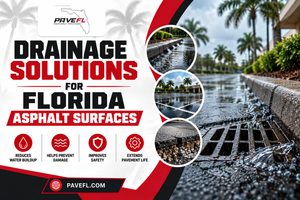
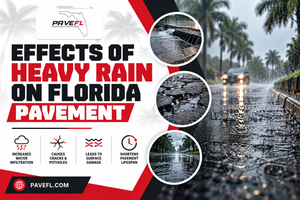
Drainage is one of the most critical aspects of driveway installation in Florida.
Because South Florida experiences heavy rainstorms and seasonal flooding, water management must be built into the pavement design from the beginning.
Poor drainage can lead to:
- Water pooling
- Soil erosion
- Base weakening
- Cracking
- Potholes
- Premature surface failure
Professional driveway installation includes:
- Proper grading
- Surface slope calculation
- Drainage channels
- Runoff management
Without effective drainage, water infiltration can quickly compromise the structural integrity of the driveway.
3. Choosing the Wrong Material for Florida Conditions
Different paving materials respond differently to Florida’s climate.
Homeowners often choose materials based only on appearance without considering:
- Heat resistance
- Moisture tolerance
- UV durability
- Flexibility
- Maintenance requirements
Many homeowners exploring asphalt paving in south Florida prefer asphalt because of its:
- Smooth appearance
- Flexibility during temperature changes
- Efficient installation
- Durable performance
- Reliable weather resistance
Choosing materials suited to Florida’s environment is essential for long-term driveway performance.
4. Installing Insufficient Pavement Thickness
Driveway thickness plays a major role in structural durability.
If the pavement layer is too thin for the intended traffic load, the surface may deteriorate quickly.
Thin pavement can cause:
- Surface cracking
- Rutting
- Premature wear
- Weak structural support
Professional contractors evaluate:
- Vehicle weight
- Usage frequency
- Soil conditions
- Drainage exposure
This ensures the driveway receives appropriate structural support.
5. Rushed Installation and Poor Timing
One of the biggest mistakes property owners make is prioritizing speed over quality.
Driveway installation requires proper timing for:
- Base stabilization
- Material curing
- Compaction
- Weather conditions
Rushed installations often lead to:
- Weak surfaces
- Uneven pavement
- Material separation
- Reduced durability
- Premature cracking
Florida’s humidity and heat can also affect curing performance if installation is not carefully managed.
6. Failing to Account for Florida Heat
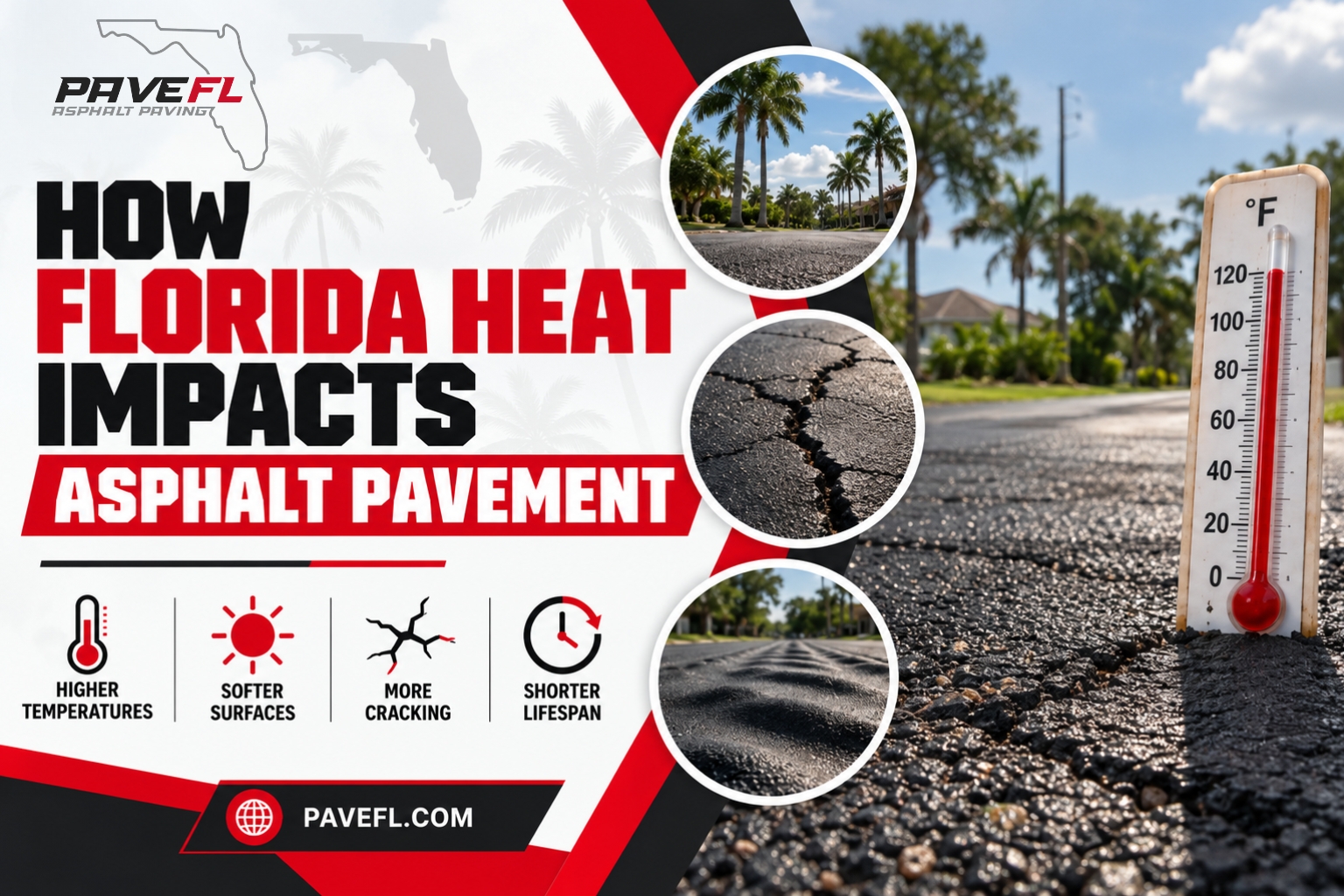
Florida’s intense sunlight and high temperatures create constant stress on pavement surfaces.
Heat-related problems may include:
- Asphalt softening
- Surface expansion
- Oxidation
- Material fatigue
Professional installers account for environmental conditions during:
- Material selection
- Installation scheduling
- Surface compaction
- Finishing procedures
Ignoring heat-related factors can significantly shorten pavement lifespan.
7. Weak Edge Support
Driveway edges are often the first areas to fail when installation is poorly executed.
Common edge problems include:
- Crumbling
- Surface separation
- Water intrusion
- Erosion
Proper edge reinforcement improves:
- Structural stability
- Water control
- Long-term durability
This is especially important in areas exposed to heavy rain and soil movement.
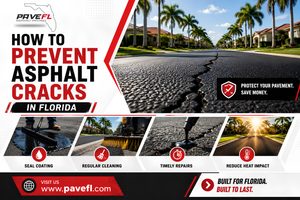
8. Overlooking Long-Term Maintenance Needs
Many homeowners focus entirely on installation while ignoring future maintenance requirements.
Routine maintenance helps preserve:
- Surface appearance
- Structural integrity
- Drainage efficiency
- Pavement flexibility
Important maintenance services include:
- Sealcoating
- Crack filling
- Surface inspections
- Drainage evaluations
Proper maintenance significantly extends the lifespan of driveways in Florida conditions.
Comparing Popular Florida Driveway Materials
| Feature | Asphalt | Concrete | Pavers |
|---|---|---|---|
| Heat Flexibility | Excellent | Moderate | Excellent |
| Drainage Capability | Good | Moderate | Excellent |
| Repair Simplicity | Easy | Difficult | Moderate |
| Weather Resistance | High | Moderate | High |
| Surface Flexibility | High | Lower | High |
| Maintenance Needs | Moderate | Moderate | Moderate |
| Visual Appeal | Good | Good | Premium |
Importance of Hiring Qualified Professionals
Driveway installation requires technical expertise, proper equipment, and climate-specific experience.
Working with professional paving experts in Miami, FL helps ensure:
- Proper excavation
- Accurate grading
- Effective drainage
- Quality material application
- Structural durability
- Long-term pavement performance
Experienced contractors understand the challenges Florida weather creates and can tailor installation methods accordingly.
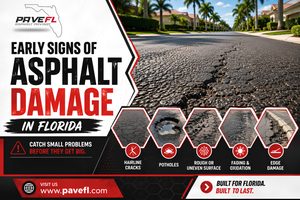
Warning Signs of Poor Driveway Installation
Homeowners should monitor for:
- Early cracking
- Uneven settling
- Water pooling
- Surface fading
- Edge deterioration
- Soft spots
- Drainage issues
These signs often indicate installation deficiencies that should be addressed quickly.
Why Local Florida Experience Matters
Florida paving projects require region-specific expertise.
Local professionals understand:
- South Florida soil conditions
- Hurricane-related drainage concerns
- UV exposure impact
- Moisture-related pavement stress
- Local permitting requirements
Final Thoughts
Florida’s harsh environmental conditions make professional driveway installation far more important than many property owners initially realize. Heat, moisture, soil movement, and heavy rainfall continuously affect pavement stability, making quality workmanship and proper site preparation essential for long-term durability. Learning how to avoid common driveway installation Florida mistakes can help homeowners protect their investment while improving the performance and appearance of their driveway for years to come.
For residential properties, proper drainage planning, high-quality materials, and correct installation techniques help reduce cracking, erosion, and surface wear caused by Florida’s demanding climate. Choosing experienced local paving professionals also helps ensure the driveway is designed specifically for regional weather patterns, soil conditions, and long-term maintenance needs. Preventive planning during installation is often far less expensive than correcting structural pavement problems later.
If you are planning a new driveway installation or replacement project, Pave FL can help evaluate your property conditions and provide professionally installed driveway solutions designed specifically for South Florida’s climate, drainage requirements, and soil conditions.