How long should your driveway actually last in Florida’s harsh climate? The honest answer is: it depends on the material, installation quality, and maintenance, but Florida weather plays a huge role in shortening or extending that lifespan. For homeowners researching driveway lifespan Florida, it’s important to understand that Florida’s heat, humidity, heavy rainfall, and soil movement all play a major role in how long your driveway will hold up. A driveway here isn’t just about installation—it’s about long-term performance under constant environmental stress.
Many homeowners rely on asphalt paving in South Florida and trust professional paving experts in Miami, FL to ensure their driveways are built with the right techniques, materials, and structural support to maximize lifespan from the start.
What Affects Driveway Lifespan in Florida?
Florida is one of the toughest environments for pavement. Several factors directly influence how long your driveway will last.
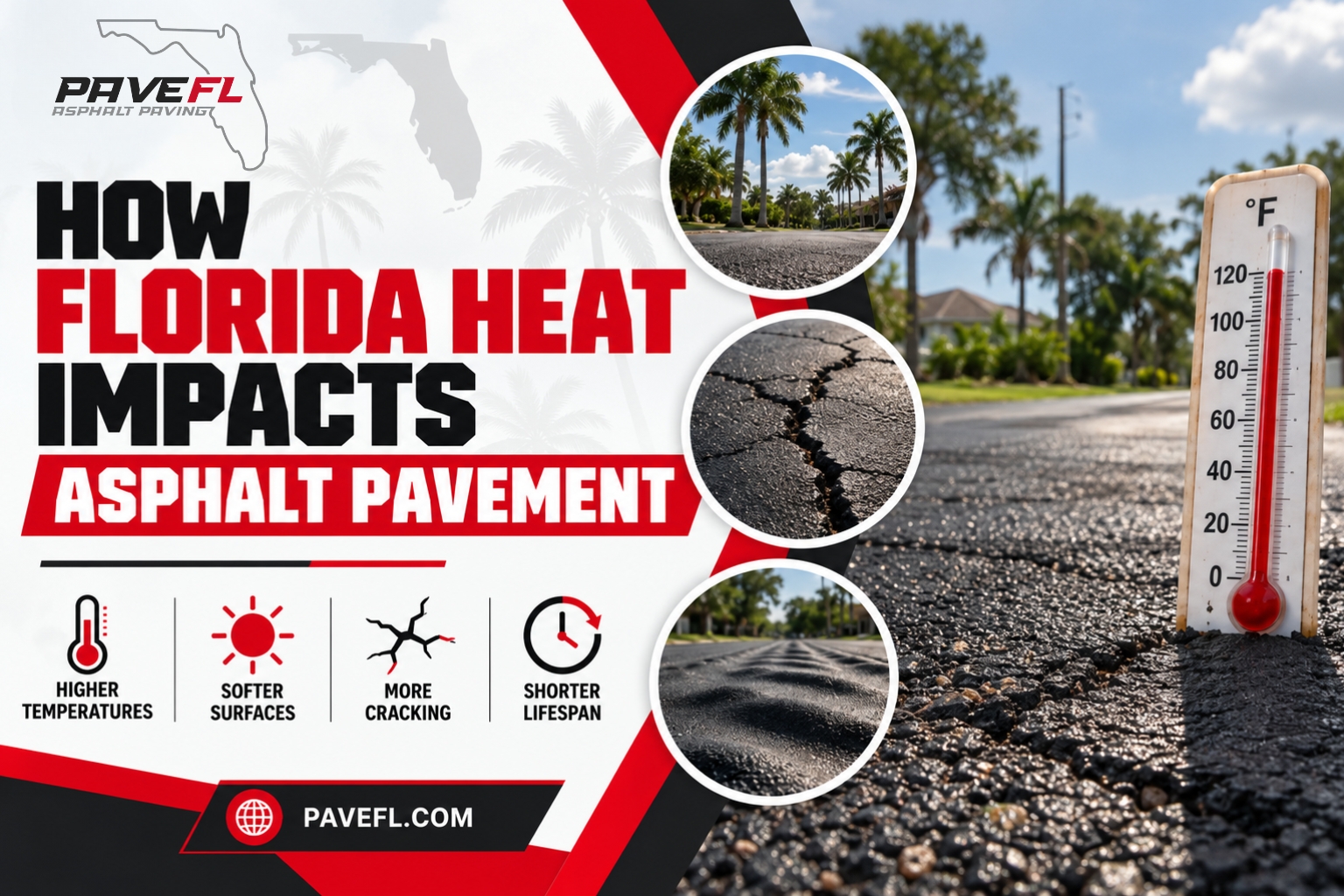
1. Intense Heat and UV Exposure
- Continuous Sunlight Causes Material Breakdown Over Time
Florida’s strong UV rays gradually break down the binding agents in asphalt and can dry out concrete surfaces. This leads to fading, brittleness, and reduced flexibility, making the surface more vulnerable to cracking and wear. - Thermal Expansion Creates Internal Stress
During the day, driveways expand due to heat, and at night they contract as temperatures drop. This daily cycle stresses the material, eventually leading to small cracks that can grow into larger structural issues. - Surface Oxidation Reduces Durability
Asphalt, in particular, can oxidize under prolonged sun exposure, causing it to lose its original strength and become more prone to damage if not protected with sealcoating.
2. Heavy Rainfall and Moisture Exposure
- Water Seepage Weakens the Foundation
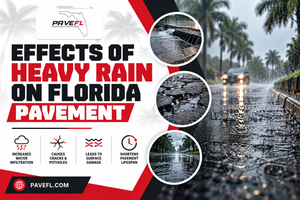
When rainwater enters small cracks, it reaches the base layer and begins to erode the foundation. Over time, this weakens the entire structure and can lead to potholes or sinking areas. - Standing Water Accelerates Surface Deterioration
Poor drainage allows water to sit on the surface, increasing wear and softening the material. This is especially harmful for asphalt, which can degrade faster when constantly exposed to moisture. - Repeated Wet-Dry Cycles Cause Expansion Damage
As materials absorb water and then dry out repeatedly, they expand and contract, contributing to long-term surface fatigue.
3. Soil Movement and Ground Conditions
- Sandy Soil Shifts Easily Under Pressure
Florida’s sandy soil lacks the stability found in other regions. When saturated with water, it can shift or settle unevenly, affecting the driveway above it. - Improper Base Preparation Leads to Structural Failure
Without a properly compacted base, the driveway may develop dips, cracks, or uneven surfaces over time. - Ground Movement Creates Stress Points
Even slight soil shifts can create pressure points that lead to cracking, especially in rigid materials like concrete.
4. Traffic Load and Daily Use
- Frequent Vehicle Movement Adds Constant Stress
Daily driving, parking, and turning create repeated pressure on the surface, which gradually wears it down. - Heavy Vehicles Accelerate Deterioration
Trucks, RVs, or delivery vehicles can put excessive weight on the driveway, especially if it wasn’t designed for heavy loads. - Turning and Braking Cause Surface Wear
Areas where vehicles frequently turn or stop tend to wear out faster due to increased friction.
Average Driveway Lifespan in Florida by Material
| Driveway Material | Average Lifespan in Florida | Key Strengths | Common Weaknesses |
|---|---|---|---|
| Asphalt Driveway | 15–25 years | Flexible, handles heat well | Needs regular maintenance |
| Concrete Driveway | 25–35 years | Strong, long-lasting | Can crack from soil movement |
| Paver Driveway | 20–30 years | Durable and decorative | May shift if base is unstable |
Asphalt Driveway Lifespan in Florida
Asphalt is a popular choice due to its flexibility and adaptability to Florida’s climate.
Why Asphalt Performs Well
- Flexibility Helps Prevent Major Cracks
Asphalt can absorb stress from temperature changes and vehicle weight, reducing the likelihood of large cracks forming. - Easier and Faster Repairs Extend Usability
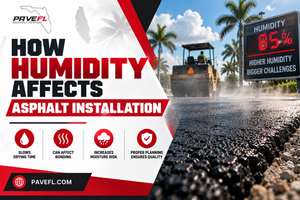
Small cracks and potholes can be repaired quickly, preventing minor issues from becoming major problems. - Better Adaptation to Heat and Humidity
Asphalt performs well under Florida’s high temperatures when properly installed and maintained.
What Can Shorten Asphalt Lifespan
- Lack of Sealcoating Leaves Surface Exposed
Without protection, UV rays and water can quickly degrade the material. - Poor Drainage Causes Water Damage
Standing water weakens the structure and accelerates wear.
Concrete Driveway Lifespan in Florida
Concrete offers longer durability but requires careful installation.
Advantages of Concrete
- High Strength Supports Heavy Loads
Concrete can handle larger vehicles without deforming. - Less Frequent Maintenance Required
It does not need regular sealcoating like asphalt.
Challenges in Florida
- Prone to Cracking from Soil Shifts
Florida’s unstable soil can cause cracks if the base isn’t properly prepared. - Expansion Without Joints Leads to Damage
Without proper expansion joints, concrete can crack under heat stress.
How to Extend Your Driveway Lifespan in Florida
1. Regular Maintenance
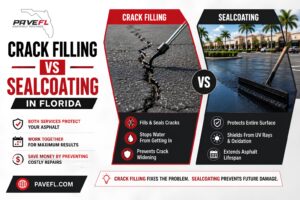
- Sealcoating Protects Against Environmental Damage
It creates a barrier against UV rays, water, and oxidation. - Routine Cleaning Prevents Long-Term Wear
Removing debris and stains helps maintain surface integrity.
2. Early Repairs
- Fix Small Cracks Before They Expand
Addressing minor issues early prevents costly damage later. - Prevent Water Infiltration
Sealing cracks stops water from reaching the base layer.
3. Professional Installation
- Proper Base Preparation Ensures Stability
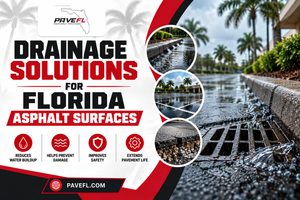
A strong foundation prevents shifting and uneven surfaces. - Accurate Grading Improves Drainage
Water flows away from the driveway, reducing damage risk.
Signs Your Driveway Is Nearing the End of Its Lifespan
- Frequent Cracking and Repairs
Constant issues indicate deeper structural problems. - Uneven or Sunken Areas
Suggests base failure or soil movement. - Persistent Water Pooling
Indicates drainage issues that can lead to long-term damage.
Why Work with Professional Paving Experts in Florida
- Expertise in Local Climate Conditions
Professionals understand how Florida weather affects pavement and design accordingly. - High-Quality Installation Techniques
Proper compaction, grading, and materials ensure durability. - Long-Term Performance and Reliability
Professional work reduces maintenance needs and extends lifespan.
Our Driveway Services in South Florida
At PaveFL, we specialize in delivering durable, long-lasting driveway solutions tailored to Florida conditions.
What We Offer
- Asphalt driveway installation and maintenance
- Concrete driveway solutions
- Complete asphalt paving in South Florida
Why Choose Our Team
- Professional paving experts in Miami, FL
- Proven techniques and high-quality materials
- Customer-focused service
Final Thoughts
Understanding driveway lifespan Florida conditions helps you make smarter decisions about materials, installation, and maintenance. With the right approach, your driveway can remain strong, safe, and visually appealing for decades, even in Florida’s challenging climate.
If you’re planning a new driveway or want to extend the life of your current one, our team at PaveFL is here to help. We deliver durable, high-quality paving solutions designed specifically for Florida conditions.
Contact us today to schedule your consultation and get the most out of your driveway investment.